What to expect from John Healey’s first budget: who wins, who pays?
0 / 49
English
中文
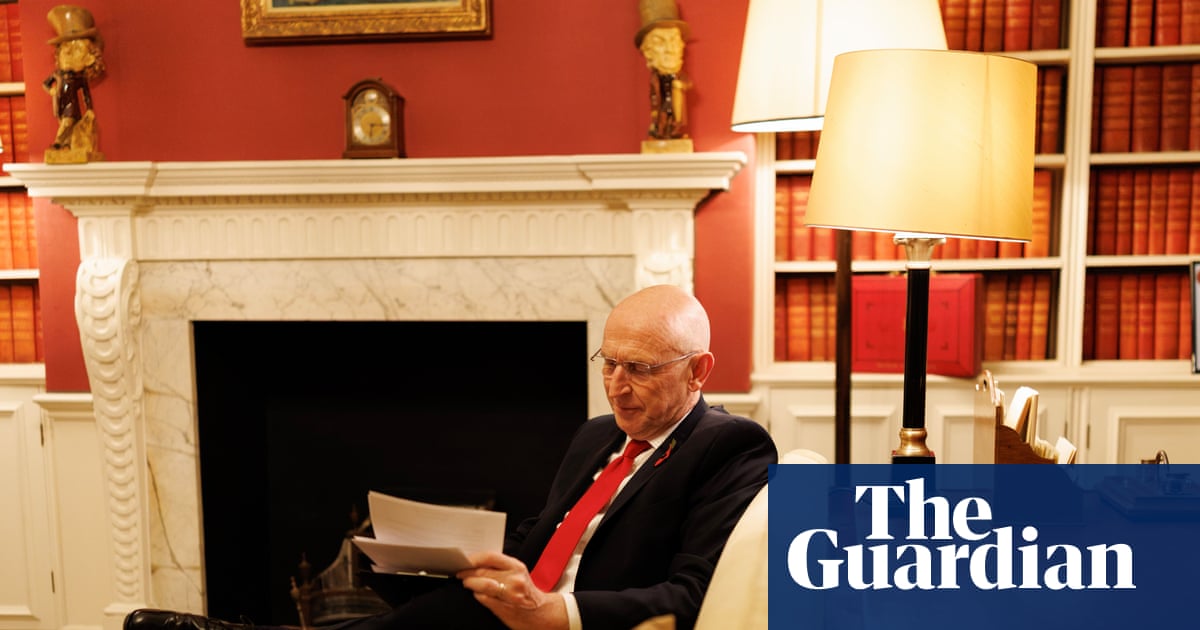
John Healey will present his first budget on Wednesday, which will set the tone for Andy Burnham’s premiership.
(暂无翻译)
Despite the chancellor’s promises in the summer that the tax and spending event would not be beset by the leaks that preceded those of his predecessor, Rachel Reeves, both official and unofficial sources have indicated much of what Healey is likely to announce. Here’s what to expect: Healey will allocate about £1.42tn this year on day-to-day spending and public investment.
(暂无翻译) (暂无翻译)
About £100bn of this will go on debt interest after a rise in the interest rate the government pays to multidecade highs. Most of this increase can be blamed on the Gulf conflict launched by the US and Israel at the end of February, which has taken the oil price to above $110 a barrel and the price of gas to levels not seen since late 2022.
(暂无翻译) (暂无翻译)
Government borrowing in this financial year has fallen compared with 2025-26, but not by as much as the Office for Budget Responsibility estimated in March, mainly owing to higher debt financing.
(暂无翻译)
Healey is spending about £1bn a month more than forecast. Those costs mean the buffer of £24bn built up in the last tax-raising budget is likely to have halved to £12bn, according to the Resolution Foundation thinktank.
(暂无翻译) (暂无翻译)
The Treasury would be more comfortable having this headroom at about £15bn, according to economists at ING. It’s a headache the chancellor could do without when he needs extra cash to fund cost of living measures, but also higher defence spending and the prime minister’s pet projects, such as devolution.
(暂无翻译) (暂无翻译)
The chancellor has promised to give consumers and businesses “breathing space” with a range of measures to help with soaring costs.
(暂无翻译)
Everyday fixes: This is what the Treasury calls its proposals to help struggling households.
(暂无翻译)
They include scrapping standing charges on gas bills from next year fsaving about £108 a year for the typical household and an extension of parental pay to more than 150,000 additional parents per year worth £388, including self-employed fathers and partners who have previously missed out. Healey will also end the carer’s allowance cliff-edge, so unpaid carers no longer lose more than their allowance once they hit their weekly earnings limit.
(暂无翻译) (暂无翻译)
He will also remove import tariffs on more than 100 products, including baked beans, chocolate and gherkins, to reduce their shop prices. Energy bills: The chancellor is planning to spend more than £1bn to help poorer households struggling with soaring gas and electricity bills, with the bulk going towards an expansion of the existing Warm Home Discount.
(暂无翻译) (暂无翻译)
An additional £100 could be added to this £150 means-tested yearly rebate, funded by taxes rather than billpayers as the current discount is. Burnham has already suspended VAT on electricity bills for six months and said last week he had asked the Treasury to explore abolishing standing charges on gas bills.
(暂无翻译) (暂无翻译)
These are now expected that they will disappear. Help for first-time homebuyers: The budget will provide more detail of how the “your first home” scheme – first announced at Labour’s annual party conference last month – will work in practice.
(暂无翻译) (暂无翻译)
The revamped version of the Tories’ “help to buy” programme will give first-time buyers a 20% equity loan towards a new-build home, with an initial interest-free period and a minimum deposit of just 2.5%. Defence: Healey aims to plug a £4.7bn gap in the government’s defence investment plan, inherited from Keir Starmer, with cuts to other departmental budgets ikely to be the main source of funding.
(暂无翻译) (暂无翻译)
However, despite resigning in June over raising defence spending to 3% of GDP, a roadmap showing how that target will be hit by 2030 will now not come until the spending review next year. Healey is unable to increase rates of income tax, national insurance, and VAT without breaking manifesto commitments and has promised to stick to Reeves’s fiscal rules and not borrow to fund day-to-day spending.
(暂无翻译) (暂无翻译)
However, these are some of the revenue-raising measures he’s reportedly considering. Bank tax: The Guardian revealed this month that the budget’s main revenue-raising measure is expected to be a levy on banks.
(暂无翻译) (暂无翻译)
The sector’s resistance has been undermined by a run of bumper quarterly profits on the back of higher interest rates, culminating in HSBC revealing on Tuesday that its had risen 32% to about £7.2bn. Jeremy Hunt cut the bank surcharge – a supplement to corporation tax – from 8% to 3% ahead of the last election and one option on the table is reversing this cut to raise more than £2bn a year.
(暂无翻译) (暂无翻译)
Taxes on online sellers: There has been strong lobbying from Labour backbenchers and unions to increase the taxes paid by online marketplaces such as Amazon and eBay.
(暂无翻译)
The former Burnham adviser Andy Haldane used a Guardian interview to urge Healey to “level the playing field” with physical stores. One proposal reportedly drawn up would raise up to an extra £1bn by forcing them to collect VAT on behalf of large-scale sellers based in the UK as well as those overseas. That money could be used to fund a cut in business rates paid by small high-street shops, possibly in the form of an increase to the threshold at which they start paying from £12,000 to £18,000.
(暂无翻译) (暂无翻译) (暂无翻译)
This would help the “bloody-minded entrepreneurs” that Healey has said he wants to support. Other taxes: Alcohol duty is likely to rise in line with the retail prices index (RPI) measure of inflation, which will increase the tax on a pint from 50p to 52p.
(暂无翻译) (暂无翻译)
Mansion tax: Treasury officials have played down speculation of significant changes to Reeves’s measure, which imposes an annual charge worth up to £7,500 on properties valued at more than £2m from April 2028.
(暂无翻译)
The chancellor was understood to be considering lowering the threshold to £1.5m, but London MPs have pushed back and are confident Healey has ruled out the move. Capital gains tax: The chancellor has rejected calls by senior Labour MPs to raise CGT to the same levels as income tax.
(暂无翻译) (暂无翻译)
Some of his cabinet colleagues have called for the tax rates on income and asset gains to be equalised. However, influential figures, such as the former Treasury minister Jim O’Neill have pushed back, saying it would harm the incentives for wealth creators. Fuel duty A longstanding freeze in fuel duty had already been extended to the end of the year, but it is due to rise by 3p a litre in January and 2p a litre in March.
(暂无翻译) (暂无翻译) (暂无翻译)
The default is also for an increase in line with RPI from April. However, with petrol and diesel at near-record highs the chancellor is expected to continue the freeze. Extending for an additional year could cost up to £2.7bn, according to the Institute for Fiscal Studies, while keeping it to 2029-30 would cost another £4bn. Inheritance tax: While the Conservative leader, Kemi Badenoch has proposed raising the tax-free threshold from £325,000 to £500,000 and excluding family homes from the calculation, Labour is not expected to propose any changes of its own.
(暂无翻译) (暂无翻译) (暂无翻译) (暂无翻译)
Devolution: Spreading decision-making to the far reaches of England is a major element of Burnham’s plans for economic growth.
(暂无翻译)
Healey will offer a £150m funding boost to help mayoralties and local authorities scale up for the new work they will carry out. In addition there will be a £1.5bn borrowing facility.
(暂无翻译) (暂无翻译)
The package will also include the allocation of an initial £285m “good growth” funding next year, to be spent on local leaders’ priorities – which could include housing, transport links or high street regeneration. Golden visas: Healey is understood to have scrapped plans for a new visa route to the UK aimed at wealthy people from overseas that were explored by the Treasury earlier in the year.
(暂无翻译) (暂无翻译)
仅供学习使用,如有侵权请联系删除 · 查看原文