What Earth's sixth mass extinction event means for humans
0 / 61
English
中文
Human activity is driving plants and animals to extinction at an unprecedented rate. As countries meet in Armenia to discuss ways to reverse nature loss, DW reveals how declining biodiversity is already harming people.
(暂无翻译) (暂无翻译)
From the tiniest microbes in the human gut to giant whales in the ocean, biodiversity is the sum of all life on the planet. It's another word for nature. And because nature is like a team, every player has a job.
(暂无翻译) (暂无翻译) (暂无翻译)
When various species from trees to animals work together, they regulate weather, maintain soil health, purify water and support food production. These benefits are known as ecosystem services and they underpin human wellbeing.
(暂无翻译) (暂无翻译)
"It is really an abstract concept, but we experience it absolutely every day," said Rebecca Shaw, chief scientist at conservation group WWF "And we almost never think about it when nature is functioning."
(暂无翻译)
But as it declines, she and other scientists are calling on the world to really think about it. Because biodiversity is struggling as humans push ecosystems to the brink through intensive farming, burning fossil fuels,and pollution from sources like plastic and chemicals.
(暂无翻译) (暂无翻译)
Over the past 52 years, monitored vertebrate populations have collapsed by an average of 73%, while freshwater ecosystems are faring worst with a drop of 85%, according to WWF's recent Living Planet report.
(暂无翻译)
It tallies with other studies that show a million animal and plant species face extinction unless humanity reduces its pressure on nature.
(暂无翻译)
"It is a really steep decline," said Shaw. "What it's telling us is that nature is in trouble, and it's an early warning indicator of the fabric of life that we depend on for freshwater and food and for clean air is unravelling."
(暂无翻译) (暂无翻译)
Some 200 countries are gathering in Yerevan, Armenia over the next two weeks for COP17, the latest UN biodiversity summit, to advance commitments to reverse nature loss by 2030. But progress towards those targets remains insufficient, with funding and implementation among the biggest challenges.
(暂无翻译) (暂无翻译)
Take wetlands as an example. Some 85% of these vital ecosystems disappeared between 1700 and 2000. One study from Canada's University of Waterloo found that habitats like marshes and swamps in Southern Ontario provide C$4.2 billion (€2.63 billion) worth of water filtration services each year, removing nutrients like phosphorus and keeping drinking water sources clean.
(暂无翻译) (暂无翻译) (暂无翻译)
The study found that as they disappear, water quality worsens, which massively increases the cost of treating it.
(暂无翻译)
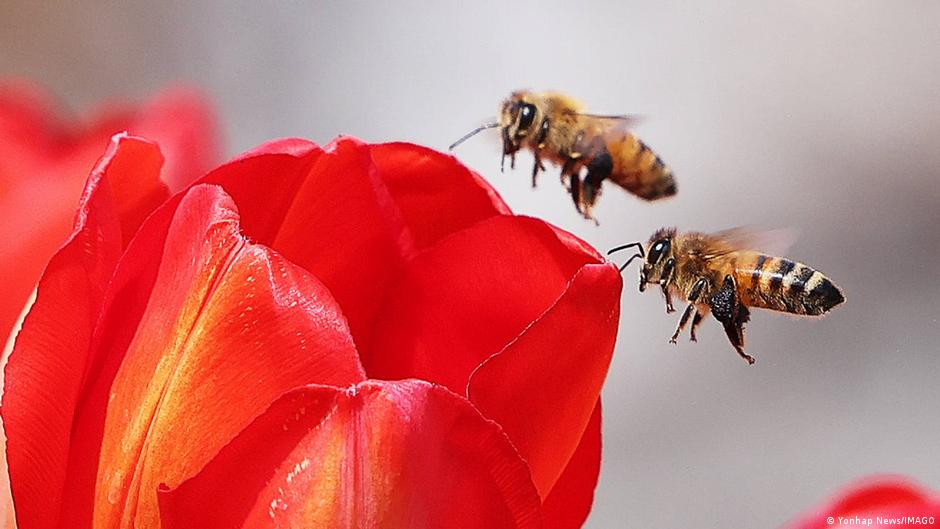
Another example is the decline in pollinators like bees and bats. More than 75% of global food crop types rely in part on animal pollination.
(暂无翻译) (暂无翻译)
To view this video please enable JavaScript, and consider upgrading to a web browser that supports HTML5 video At the same time, soil and ecosystem degradation coupled with storms and heat waves linked to climate change are already damaging harvests.
(暂无翻译)
A recent UK government report stated that every critical ecosystem is on a "pathway to collapse," warning that nature's decline posed a grave threat to global food supply and geopolitical stability. "The UK, like many other countries, relies on imports for much of the food and so is reliant on ecosystems around the world," said Louise McRae, a research fellow at the Zoological Society of London, who also contributed to WWF's Living Planet report.
(暂无翻译) (暂无翻译)
"This is why we need to care about global biodiversity." It also provides the basis for many modern human medicines, with some 50% coming from natural compounds.
(暂无翻译) (暂无翻译)
Penicillin, the first antibiotic, is produced by a mold and is estimated to have saved over 500 million lives.
(暂无翻译)
Before its discovery, a person could die from a simple cut. Around 70% of cancer drugs come from natural products or synthetic compounds "inspired by nature," according to the World Health Organisation (WHO). As biodiversity disappears, humans risk losing access to undiscovered treatments.
(暂无翻译) (暂无翻译) (暂无翻译)
To return to the "nature as a team" metaphor, if a player disappears, sometimes a species with similar functions in the ecosystem can jump in as a substitute.
(暂无翻译)
But not always, particularly if it's a "keystone species." They play a disproportionately large role in their environments, and their disappearance has significant knock-on effects. The oyster is one such species.
(暂无翻译) (暂无翻译) (暂无翻译)
Wild oyster populations are facing massive declines, while 85% of their reefs have been lost worldwide. An adult oyster filters up to 50 gallons of water a day. "No one would ever think, they did anything but sit in a shell and be slimy," said Shaw.
(暂无翻译) (暂无翻译) (暂无翻译)
"But you lose oysters, you can lose water filtration and clean water, you can lose the habitat for many other species that we interact with or sometimes consume." And, said Shaw, the humble oyster protects coastal communities from storm surges.
(暂无翻译) (暂无翻译)
If you lose it "you lose the coastal protection." The loss of a single species can also lead to more disease.
(暂无翻译) (暂无翻译)
One study suggests a decline in red foxes in North America is linked to the spread of Lyme disease, a tick-borne illness that also impacts humans. The planet has experienced five mass extinctions when a large proportion of species globally disappeared over a short geological period.
(暂无翻译) (暂无翻译)
Extinction is a natural process. But the rate at which species are disappearing today, suggests Earth is experiencing a sixth event, driven largely by human activity, according to scientists. Both McRae and Shaw called the declines extremely worrying, but said they shouldn't provoke despair.
(暂无翻译) (暂无翻译) (暂无翻译)
Though she acknowledges that the underlying global trend is moving in the wrong direction and cannot be ignored, McRae says "the statistics are there to just motivate us to action rather than to cause alarm."
(暂无翻译)
And the Living Planet report also highlights conservation successes, showing that nature can recover.
(暂无翻译)
The number of green sea turtles, for example, had fallen significantly, but has now bounced back.
(暂无翻译)
This is thanks to a massive worldwide effort to protect nesting beaches and changes to fishing practices that reduce accidental capture. Sea otters are another example.
(暂无翻译) (暂无翻译)
Prized for their fur, in the 1800s they were hunted to near extinction on the US Pacific Coast. When they disappeared, it meant sea urchins had no predators, leaving them free to decimate kelp forests. That matters because as well as providing habitat for other species, these giant underwater groves protect coastlines from storm surges and absorb carbon, making them important for climate protection.
(暂无翻译) (暂无翻译) (暂无翻译)
Following a ban on commercial hunting, sea otters have also rebounded, helping kelp forests recover.
(暂无翻译)
"You can see that ripple effect that really had an obvious and a measurable impact.
(暂无翻译)
But critically, it can be reversed," said McRae, adding that biodiversity loss and climate change are intertwined and exacerbate each other but have joint solutions. "We're learning how to turn things around at very small scales," said Shaw.
(暂无翻译) (暂无翻译)
"Now the real challenge is to turn things around at very big scale so we can see it in the global indicators." To view this video please enable JavaScript, and consider upgrading to a web browser that supports HTML5 video
(暂无翻译) (暂无翻译)
仅供学习使用,如有侵权请联系删除 · 查看原文