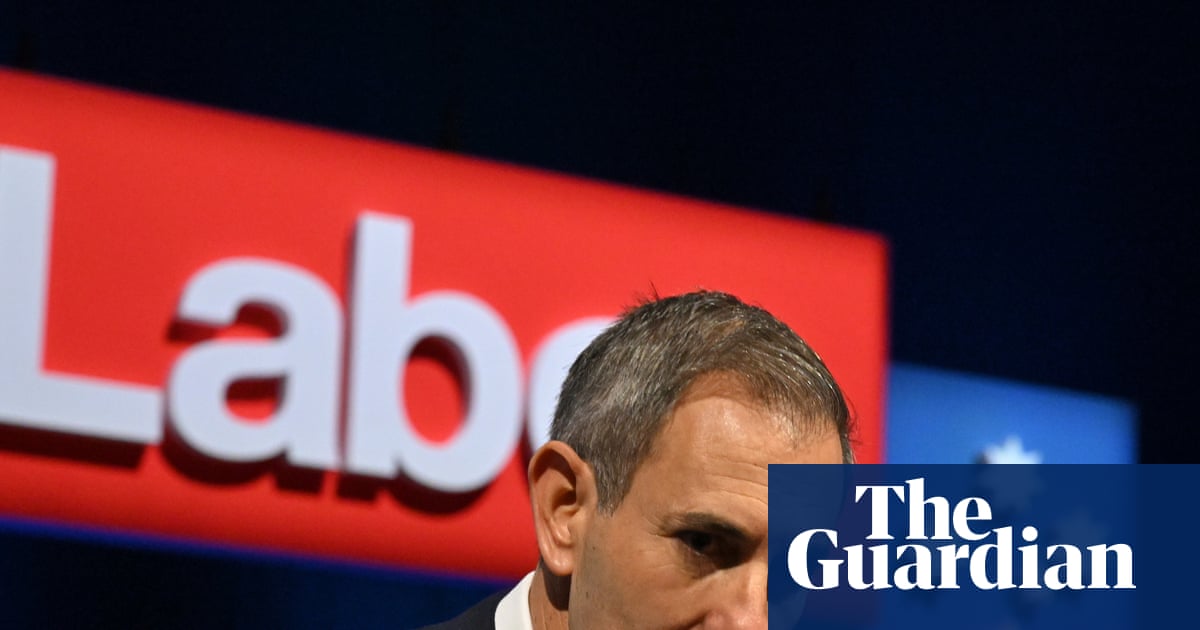
Jim Chalmers faces a world of hard choices where the solution to one problem makes the other worse
0 / 32
English
中文
Jim Chalmers in a speech last week offered the scant encouragement that the economy would be “a bit better” in a year’s time.
(暂无翻译)
Fast forward to Friday morning, and the treasurer revealed that his officials were busy downgrading their forecasts ahead of December’s mid-year budget update to show slower growth and higher unemployment.
(暂无翻译)
In other words, things are getting worse, not better.
(暂无翻译)
Overnight, a broadening Middle East conflict pushed the global benchmark oil price to US$113, and within sight of its April high of nearly US$120.
(暂无翻译)
Motorists are paying 60 cents more for a litre of petrol prices than they were before the US and Israel attacked Iran. That’s an extra $36 to fill up a 60-litre tank. Do that once a week and a family’s monthly fuel bill is $144 higher than in February.
(暂无翻译) (暂无翻译) (暂无翻译)
The New York Times overnight reported that the US and Israel have drawn up plans to restart attacks on Iran after the upcoming American midterm elections.
(暂无翻译)
Westpac analysts have sketched out an “escalation” scenario for the Middle East conflict where oil climbs towards US$150, echoing warnings from the International Monetary Fund earlier this month.
(暂无翻译)
That worst-case scenario would have huge implications for inflation and interest rates, even as we brace for a potential fifth interest rate hike on 3 November.
(暂无翻译)
Meanwhile, the one bright spot that has helped paper over many of the cracks in the global economy – the huge spending associated with artificial intelligence – has hit some serious wobbles.
(暂无翻译)
Investors are worried about the huge surge in debt among companies racing to build the infrastructure for an AI future – the trigger for another steep sell-off on Wall Street overnight.
(暂无翻译)
Community opposition to the massive datacentre build-out could stall the headlong rush towards an AI future. That is likely a good thing in the longer term, but in the short term is another stress to add to the wall of worries. Rising chatter of a new tech stock bubble is naturally accompanied by talk of an imminent bust.
(暂无翻译) (暂无翻译) (暂无翻译)
With all this going on, no wonder that the treasurer can only offer the thinnest of gruel for Australians hungry for any evidence of an end to years of disruption, and of wages that can’t keep up with high and rising prices.
(暂无翻译)
High inflation, low growth and rising unemployment is a central banker’s “nightmare”, as the Reserve Bank’s Andrew Hauser has said.
(暂无翻译)
It’s also a nightmare for a federal treasurer who is increasingly unpopular and desperate for a win in the court of public opinion.
(暂无翻译)
“The pressures on people right now are very substantial and obviously that keeps me awake at night,” Chalmers told Politico.
(暂无翻译)
“And there’s a number of reasons for that, some of them are outside our control, and some of them we have some influence over. You know, providing some cost-of-living help, managing the budget in a responsible way,” he said.
(暂无翻译) (暂无翻译)
“Those are the things that we can do, but in lots of ways we’re hostage as well to decisions taken in DC or Tehran or in Eastern Europe about two wars which are pushing up inflation around the world and weighing on growth around the world.” The high level of government spending is not helping the inflation fight, by any means – something the opposition is keen to point out at every opportunity.
(暂无翻译)
Productivity growth is, if not dead, then resting, and shows no signs of springing back to its perch.
(暂无翻译)
That means more inflation at lower rates of growth as the economy hits its speed limits sooner. But Chalmers is right when he says there’s a lot that is out of the government’s control.
(暂无翻译) (暂无翻译)
His options to alleviate voter discontent are limited, which is why he frequently falls back on platitudes and lines to the effect of “you think we have it bad?
(暂无翻译)
You should see other economies.” Sure, the government can lower petrol prices through another temporary cut to the fuel excise. But the billions of dollars that pumps into motorists’ pockets makes it harder for the RBA to bring inflation back under control.
(暂无翻译) (暂无翻译)
Labor could go the other way and announce plans for big spending cuts in the December mid-year economic and fiscal outlook. That would help the central bank’s job, but would drag on an already weak economy and push unemployment higher – would they win any plaudits for that?
(暂无翻译) (暂无翻译)
This is Hauser’s “world of hard choices” – a world where the solution to one problem makes the other worse.
(暂无翻译)
A world with which Australians are becoming all too familiar.
(暂无翻译)
仅供学习使用,如有侵权请联系删除 · 查看原文