Is your Medicare Advantage plan ending next year? Here's what to know
0 / 29
English
中文
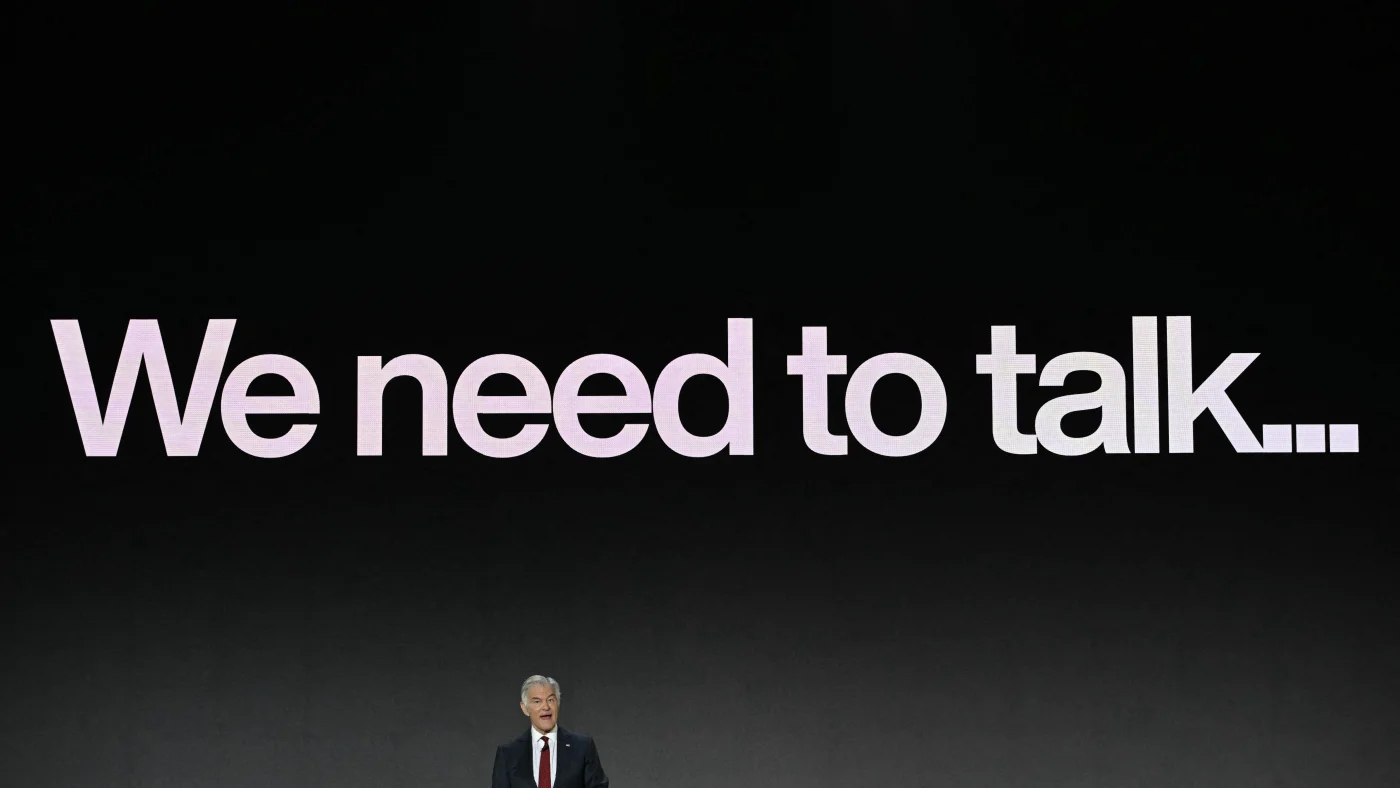
Medicare chief Dr. Mehmet Oz speaks at an event announcing the artificial intelligence website, America.gov in Washington, D.C., last month. Jim Watson/AFP via Getty Images hide caption A slew of Medicare Advantage plans are disappearing for next year, leaving seniors in many areas with fewer options.
(暂无翻译) (暂无翻译) (暂无翻译)
In 193 counties across the country, no plans are offered at all. Medicare's annual open enrollment period kicked off October 15 and runs until December 7, and seniors enrolled in those privatized Medicare plans that are closing in certain markets should carefully review their options.
(暂无翻译) (暂无翻译)
Medicare Advantage means private insurers run Medicare for older Americans who choose it over traditional Medicare, where the federal government itself administers the program.
(暂无翻译)
More than half of the 70 million Americans in Medicare choose Medicare Advantage. It's popular because it covers services like vision and dental, often with lower premiums than traditional Medicare. It also often folds in the "Part D" drug benefit, simplifying that decision. But a downside of Medicare Advantage is that companies can pick and choose where they offer plans.
(暂无翻译) (暂无翻译) (暂无翻译) (暂无翻译)
If a certain community is not profitable, a company can leave that market. And that has been happening on an increasingly large scale the last three years, according to research published in JAMA. Big swaths of rural America are losing Medicare Advantage choices and so are some major metro areas.
(暂无翻译) (暂无翻译) (暂无翻译)
Last year, 2.9 million seniors were in Medicare Advantage plans that closed up shop, according to JAMA.
(暂无翻译)
This year, an analysis of insurance company announcements by An Arm and A Leg podcast, shows at least 2 million people will be affected. Other preliminary estimates range from 3.2 million to 5 million seniors. About 35 million people are enrolled in Medicare Advantage. According to an analysis of federal data by the health policy research organization KFF, the 193 counties that will have zero Medicare Advantage plans are mostly rural.
(暂无翻译) (暂无翻译) (暂无翻译) (暂无翻译)
Last year that number was about 120 counties without a plan offered. KFF's numbers also show that there will be far fewer plans offered in some metro areas.
(暂无翻译) (暂无翻译)
Dallas, Minneapolis, Seattle, Houston and Portland all have between a quarter and a third fewer Medicare Advantage plans for seniors. If your plan is ending, and you don't choose another, the insurance company will assign you to another Medicare Advantage plan or the government will enroll you in traditional Medicare — but without a supplemental or drug plan.
(暂无翻译) (暂无翻译)
If you want to switch from Medicare Advantage to traditional Medicare and your plan is ending, you can enroll in a Medicare supplemental plan — also known as Medigap — without the same restrictions that you would normally have.
(暂无翻译)
If you have a pre-existing condition that has prevented you from enrolling in Medigap before, that could be good news. Another wrinkle this year is that insurance companies can cap enrollments on some of the Medicare Advantage plans that they do offer.
(暂无翻译) (暂无翻译)
Which means: If you wait to sign up, a plan you want might already be full.
(暂无翻译)
The companies are supposed to enroll people on a first-come, first-serve basis — and not cherry-pick customers based on health conditions, age, or demographics.
(暂无翻译)
Another reason not to delay is that with so many people on the hunt for new plans, it may take longer than usual to get help.
(暂无翻译)
Here are some tips for navigating Medicare open enrollment this year: Emily Pisacreta is the senior producer for An Arm and a Leg, a podcast about the cost of healthcare produced in partnership with KFF Health News and distributed by KUOW, Seattle's NPR member station.
(暂无翻译)
仅供学习使用,如有侵权请联系删除 · 查看原文