How Daylight Saving Time Affects Health
0 / 51
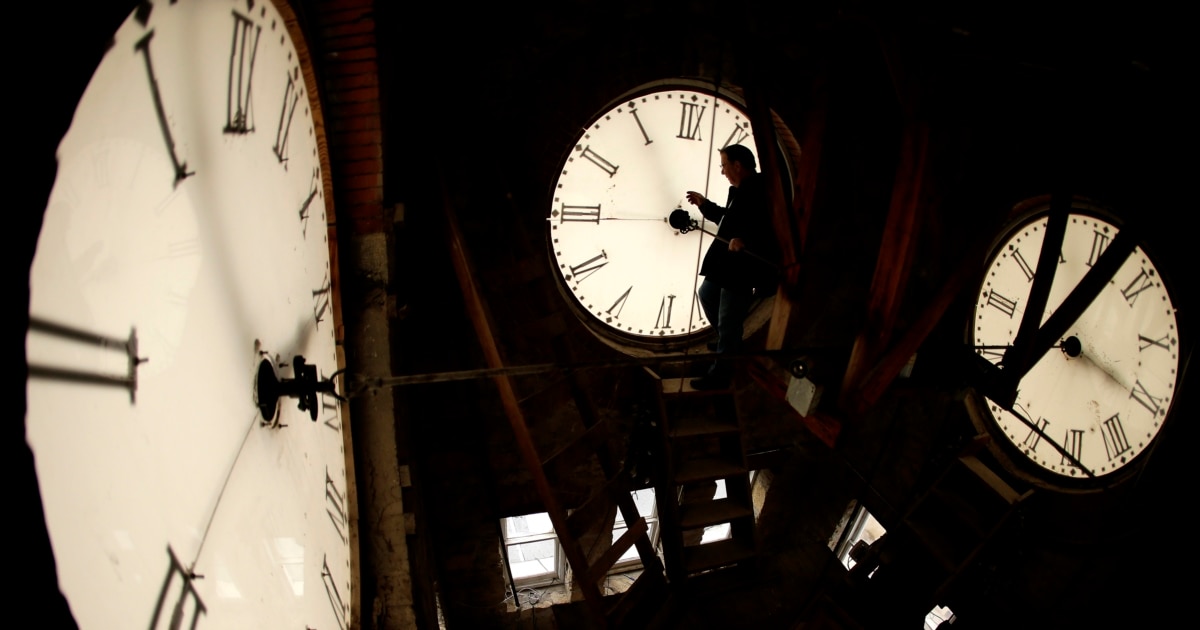
Much of the United States “springs forward” on Sunday, March 9th, for daylight saving time. Worldwide, many other countries also observe daylight saving time, starting and ending on different dates.
The time change can leave people tired and perhaps unhappy the next day. But it also might even harm health. Some studies have found an increase in heart attacks and strokes right after the March time change.
However, there are ways to ease the effects of the time change, including getting more sunshine. The light helps reset your circadian rhythm for healthful sleep.
When does daylight saving time start?
In the U.S., daylight saving time begins Sunday at 2:00 in the morning. The time change will reverse on November 2 when clocks “fall back” as daylight saving time ends.
The state of Hawaii and most of the state of Arizona do not make the spring change. Those areas remain on standard time along with Puerto Rico, American Samoa, Guam and the U.S. Virgin Islands.
Some people try to prepare for the change to daylight saving time by going to bed a little earlier two or three nights ahead. But with a third of American adults already not getting the suggested seven hours of nightly sleep, catching up can be difficult.
The brain has a kind of clock that is set by exposure to sunlight and darkness. This clock, known as the circadian rhythm, is on a roughly 24-hour cycle. It governs when we become sleepy and when we are more wakeful. The rhythms change with age. This is one reason that early-to-rise young children turn into hard-to-wake teenagers.
Morning light resets the rhythm. By evening, levels of a hormone called melatonin begin to increase, leading to tiredness. Too much light in the evening — that extra hour from daylight saving time — delays the melatonin increase. As a result, the cycle gets delayed.
The circadian rhythm affects more than sleep. It also influences heart rate, blood pressure, hormone releases and other systems.
Sleep deprivation, or lack of sleep, is linked to heart disease, weight conditions, problems with thinking and remembering, and more.
Deadly car crash numbers increase the first few days after the spring time change, a study of U.S. traffic deaths says. The risk of crashes is highest in the morning, it found. Researchers suggested sleep deprivation might be responsible.
The time change also has a link to the heart. The American Heart Association points to studies that suggest an increase in heart attacks on the Monday after daylight saving time begins, and in strokes for two days afterward.
Doctors already know that heart attacks, especially severe ones, are a bit more common on Mondays generally — and in the morning, when blood is more likely to clot.
Researchers do not know why the time change would add to that Monday connection. But it is possible the sudden circadian change influences other issues such as high blood pressure in people already at risk.
Prepare for daylight saving time To prepare for daylight saving time, experts offer some advice.
Slowly move bedtimes about 15 or 20 minutes earlier for several nights before the time change. Try to rise earlier the next morning, too. Go outside for early morning sunshine the first week of daylight saving time. This is another way to help reset your body’s clock. Start daily activities, like dinner or exercise, a little earlier. This may help tell your body to start getting used to the new conditions, sleep experts suggest. Daytime sleeping, the drug caffeine and light from phones and other electronic devices can make an earlier bedtime even harder.
End daylight saving time?
Americans have discussed ending daylight saving time.
But so far, no official changes have been made. Health groups such as the American Medical Association and American Academy of Sleep Medicine believe it is time to end time changes.
The groups suggest that staying with standard time year-round works better for human biology and sleep needs. I’m Caty Weaver.
Lauran Neergaard reported on this story for the Associated Press. John Russell adapted it for VOA Learning English. __________________________________________________ circadian rhythm – n. the mental, behavioral, and physical changes a person experiences over a 24-hour period exposure – n. the condition of being subject to some effect or influence reverse – v. to undo, to turn about in position or direction cycle – n. a series of events that take place regularly and return to the same starting point hormone – n. a product of living cells that circulates in the body and produces an effect on the activity of cells clot – v. to undergo chemical reactions that result in blood becoming a lump or mass (a clot)
仅供学习使用,如有侵权请联系删除 · 查看原文